
Table of Contents
- The Art of Scaling Vintage Pieces to Fit Compact Rooms
- How to Mix Vintage and Modern Decor Without Overwhelming Your Space
- Best Vintage Furniture for Small Spaces: Functional Pieces That Earn Their Place
- Lighting Solutions: Sculptural Fixtures That Define Your Curated Look
- Styling Antique Decor in Small Rooms: Mirrors, Textiles, and Layering
- Small-Scale Accents: Ceramics, Glass, and Collectibles That Command Attention
- Vertical Storage and Gallery Walls: Making Every Inch Count
- Sustainable Sourcing and Restoration for Rental-Friendly Vintage Styling
- Frequently Asked Questions
Last Updated: September 30, 2026
The Art of Scaling Vintage Pieces to Fit Compact Rooms
The best vintage decor for small spaces isn't about cramming in as many treasures as possible. It's about understanding proportion, restraint, and the quiet power of intentional curation. A single well-chosen piece, a demi-lune table, a sculptural brass candlestick, a hand-etched glass vessel, can anchor a room with far more impact than a gallery of mediocre finds.

At Smiths Attic, we've spent years helping collectors navigate this delicate balance. Small rooms demand a different approach than sprawling homes. The stakes are higher. Every inch counts, and every object must earn its place through both function and narrative. This guide walks you through the principles that separate cluttered spaces from curated ones.
The fundamental challenge: vintage pieces come in all sizes, many designed for the grand parlors and dining halls of their era. Your compact apartment or small bedroom needs pieces scaled differently. But this constraint is also an opportunity. Thoughtful vintage styling in tight quarters creates intimacy and personality that larger spaces struggle to achieve. Below, we'll show you exactly how to mix old and new, choose furniture that works harder, and layer textiles and lighting to create depth without overwhelming your floor plan.
How to Mix Vintage and Modern Decor Without Overwhelming Your Space
Mixing eras is where many people stumble. They bring home a Victorian chair, add a mid-century modern side table, throw in some bohemian textiles, and the result feels scattered rather than curated. The secret is restraint and a clear visual anchor.
Start with a dominant era, the one that will set the tone. If mid-century modern speaks to you, let that be your 60% foundation. Vintage accents from other periods become supporting players, not equal voices. A single antique crook or folk art piece can punctuate a modern room without creating visual chaos. The mixed aesthetic works best when one era is clearly in charge.
Color palette matters more than you might think. Vintage pieces often arrive in deep woods, warm brass, or jewel tones. Modern decor tends toward neutrals and clean lines. Bridge these worlds through textiles, a vintage runner over light-colored flooring, or a contemporary throw over an antique chair. This intentional layering signals that the mix is deliberate, not accidental.
The golden rule: if a piece doesn't speak to you or serve a purpose, it doesn't belong. This is especially true in small spaces where visual weight accumulates quickly. Every item should have a story or a function.
Best Vintage Furniture for Small Spaces: Functional Pieces That Earn Their Place
Small-scale furniture isn't a compromise, it's a category unto itself, and the best vintage pieces in this realm were designed with intention. Craftspeople understood proportion and created objects that could anchor a room without consuming it.
Demi-Lune Tables and Narrow Case Pieces
The demi-lune table is a masterclass in small-space design. Half-moon shaped, it slides against a wall or behind a sofa, offering surface area without the footprint of a full console. These pieces, often from the 18th and 19th centuries, were made for parlors and entryways where space was precious. A demi-lune with tapered legs and delicate proportions adds architectural interest to an entryway or hallway without creating a traffic hazard.
Multifunctional Buffet Cabinets and Storage Solutions
A vintage buffet cabinet serves multiple purposes in a compact home. It provides storage, display space, and a surface for table lamps or decorative objects. Many mid-century and earlier pieces were built with this in mind, deep drawers below, open shelving or glass-front cabinets above. This stacked approach maximizes utility without expanding the footprint.
Lighting Solutions: Sculptural Fixtures That Define Your Curated Look
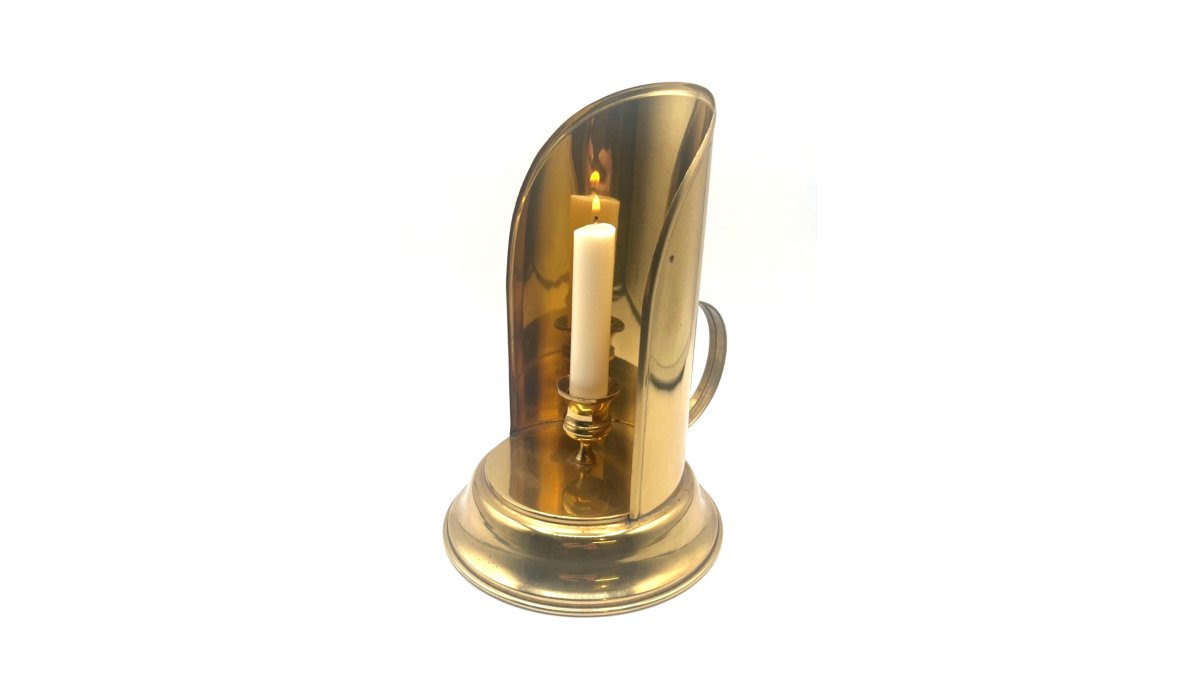
Lighting in small spaces serves double duty: it illuminates and it shapes the visual weight of the room. A sculptural brass candlestick or a vintage wall sconce becomes an art object, not just a light source.
Styling Antique Decor in Small Rooms: Mirrors, Textiles, and Layering
The most effective small-space trick isn't actually a trick at all, it's optical. Mirrors expand visual weight and reflect light in ways that make rooms feel airier. A vintage mirror with an ornate frame becomes both functional and decorative. Position it opposite a window to bounce natural light around the room. The frame itself becomes part of your curated look.

Using Reflective Surfaces to Expand Visual Weight
Glass and polished brass act as visual amplifiers. A vintage glass bottle with gold insect designs catches light and draws the eye. The Vintage Cobalt Blue Glass Bottle with Gold Insect Design from Smiths Attic demonstrates this principle perfectly, it's small in scale but visually prominent because light plays across its surface.

Textiles and Intentional Layering for Depth
Textiles anchor a room and create warmth that hard surfaces alone cannot. In small spaces, a single well-chosen vintage runner adds personality without overwhelming. Layering a contemporary throw over an antique chair bridges eras while adding tactile richness. Vintage linens, linen napkins, embroidered tea towels, quilted throws, introduce pattern and color without requiring wall space.
Small-Scale Accents: Ceramics, Glass, and Collectibles That Command Attention
The objects you choose to display define your curated look. Small-scale accents, ceramics, glassware, collectibles, tell the story of your taste without consuming valuable real estate.
Vertical Storage and Gallery Walls: Making Every Inch Count
When floor space is limited, walls become your real estate. Gallery walls and vertical storage transform small rooms from cramped to carefully curated. A gallery wall of framed folk art, vintage prints, or family photographs creates visual interest without consuming a single square foot of floor space.
Sustainable Sourcing and Restoration for Rental-Friendly Vintage Styling
Choosing vintage decor is inherently sustainable. You're extending the life of objects that might otherwise be discarded. But in rental spaces, where permanence isn't guaranteed, vintage styling takes on additional meaning. You're building a curated home that you can take with you.
| Piece Type | Best For | Key Consideration | Space Impact |
|---|---|---|---|
| Demi-lune tables | Entryways, behind sofas | Proportionate legs, minimal depth | High, architectural interest without footprint |
| Narrow case pieces | Wall display, storage | Vertical emphasis, glass fronts | High, maximizes vertical real estate |
| Sculptural lighting | Bedside, shelves, walls | Brass or glass construction | Medium, functional art |
| Mirrors with frames | Opposite windows, walls | Ornate or simple frames | High, expands perceived space |
| Small ceramics | Shelving, cabinets | Grouped by pattern or era | Low, high visual impact per inch |
| Vintage textiles | Layered on furniture, walls | Quality linens, subtle patterns | Low, adds warmth without bulk |
Frequently Asked Questions
What is the 3-5-7 rule of decorating, and how does it apply to vintage decor in small spaces?
The 3-5-7 rule suggests grouping items in odd numbers to create visual balance and rhythm. In small spaces, apply this by clustering three candlesticks on a shelf, arranging five vintage ceramics on a gallery wall, or layering seven textiles across a seating area. This prevents your vintage decor from feeling scattered while maximizing the intentional, curated look that makes small rooms feel thoughtfully designed rather than cramped.
How do you choose vintage items that serve a functional purpose in small spaces?
Prioritize pieces with dual roles: a buffet cabinet that provides storage and display, a demi-lune table that fits against an entryway without consuming floor space, or brass candlesticks that offer both light and sculptural interest. Each piece should either solve a storage problem, provide necessary function, or create visual weight that justifies its footprint. Avoid purely decorative items that don't earn their place in a compact floor plan.
What are the best vintage decor trends for 2026 that work in small homes?
Sustainable sourcing and intentional curation are prominent trends. Collectors favor thrifted finds with patina and authentic restoration over reproduction pieces. Gallery walls of folk art and vintage ceramics, mixed aesthetic approaches combining mid-century modern with rustic charm, and vertical storage solutions that maximize wall space all align with how small-home dwellers need to think about vintage styling. The trend emphasizes quality over quantity and narrative over volume.
How do you incorporate vintage decor into a small apartment without cluttering it?
Focus on proportion and intentional placement. Choose small-scale furniture like demi-lune tables and narrow case pieces. Use vertical space through gallery walls and tall candlesticks rather than spreading pieces across floor space. Group related items together (candlesticks by height, ceramics by color family) to create visual cohesion. Limit your color palette and let negative space breathe between pieces. Each vintage item should feel placed with purpose, not simply crowded into available gaps.
Are there specific vintage furniture pieces that work best for small living rooms?
Yes. Demi-lune tables, narrow buffet cabinets, accent chairs scaled for compact seating, and tall case pieces that draw the eye upward all maximize small spaces. A brass mantel clock or wall-mounted pendulum clock adds architectural interest without consuming floor space. Multifunctional pieces like ottomans with storage, nesting tables, and wall-mounted shelving serve double duty. Look for items with visible legs that create visual lightness rather than solid, heavy bases that anchor space.
Small spaces demand intention. They reject clutter and reward restraint. When you choose vintage decor thoughtfully, scaling pieces to proportion, mixing eras with discipline, and layering textiles and light, you create rooms that feel sophisticated, not cramped. The best vintage decor for small spaces tells a story of your taste and values. It's the difference between a room filled with old things and a room filled with pieces that matter.