
Table of Contents
- Understanding Antiques, Vintage, and Artifacts
- How to Identify Authentic Antiques
- How to Research Antique Provenance
- Choosing Your Collecting Focus
- Caring for Vintage Collectibles
- Finding and Acquiring Vintage Artifacts
- Common Mistakes and Ethical Considerations
- Frequently Asked Questions
Last Updated: October 9, 2026
Understanding Antiques, Vintage, and Artifacts
The terms "antique," "vintage," and "artifact" are often used interchangeably, but they carry distinct meanings for collectors. An antique is generally defined as an object that is at least 100 years old and valued for its age, craftsmanship, and historical significance.
Understanding these distinctions matters because they shape how you approach collecting vintage artifacts. A piece's age alone doesn't determine its value, condition, rarity, provenance, and cultural significance all play crucial roles.
When you're starting your journey into collecting vintage artifacts, the first step is clarity about what draws you. Are you seeking objects from a specific historical period? Do you care most about the maker's identity, or the era the piece represents?
How to Identify Authentic Antiques
Authenticity is the foundation of meaningful collecting. Before acquiring any piece, you need to develop an eye for the genuine article, understanding what age looks like, how materials behave over decades, and what marks and signatures tell you about origin and maker.
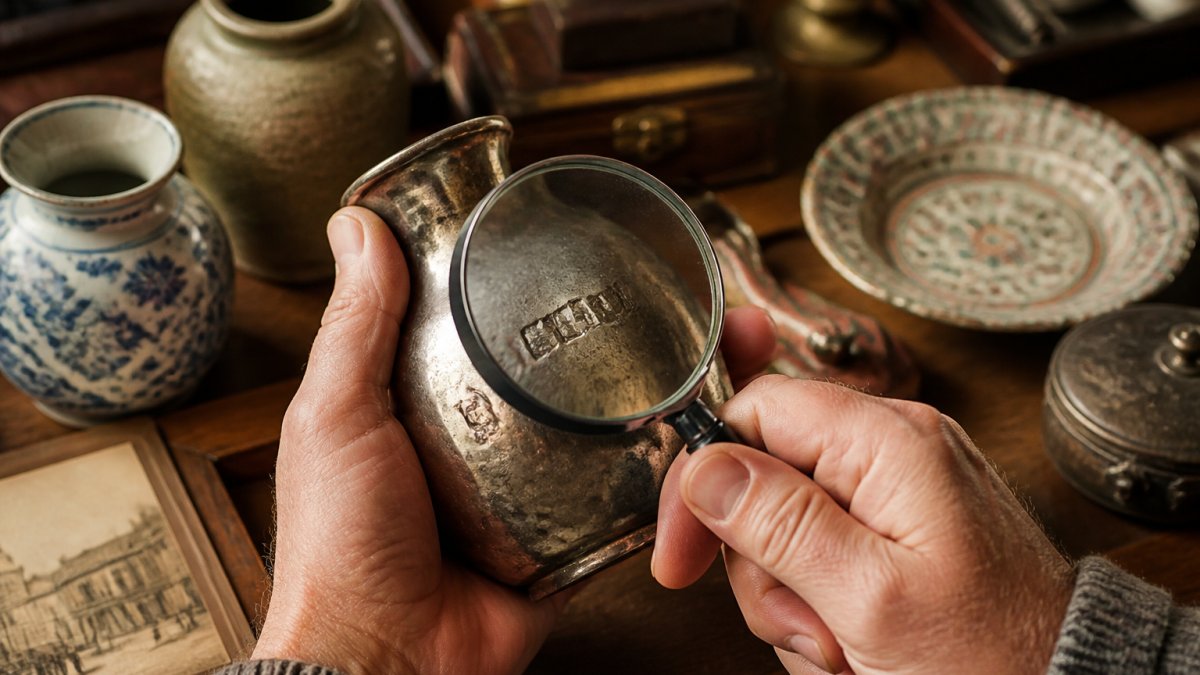
Distinguishing Features and Marks
Maker's marks, hallmarks, and signatures are your first line of evidence. Ceramics often bear a potter's mark on the base. Glass may have etched or embossed signatures. Metals frequently carry assay marks indicating purity and origin.
But marks alone aren't enough. You need to understand the language of age. Genuine aging leaves traces: worn edges where hands have held an object repeatedly, patina that builds gradually on metal surfaces, crazing patterns in glaze that follow predictable paths.
Material composition tells a story too. Old glass has a different weight and feel than modern glass. Ceramics from specific periods carry distinctive clay bodies and firing techniques. Textiles show wear patterns consistent with their era.
Spotting Reproductions and Fakes
Reproductions range from honest homages to deliberate deceptions. The honest ones are made with period techniques but labeled as reproductions. The problematic ones hide their modern origin, banking on a buyer's lack of knowledge. Your defense is systematic observation.
Watch for anachronisms: materials or techniques that didn't exist in the claimed period. A piece supposedly from the 1920s shouldn't contain plastic components. A "Victorian" textile shouldn't show synthetic dyes that weren't available until decades later.
Wear patterns reveal truth. Objects genuinely aged show wear in logical places, the base of a vase where it's been moved, the handle of a cup where fingers grip it. Artificial distressing looks applied, not earned.
How to Research Antique Provenance
Provenance, the documented history of an object's ownership and location, transforms a beautiful piece into a story. It answers the question: where has this been, and who has held it? This research requires patience, but it's where collecting becomes detective work.
Documenting Maker, Period, and Origin
Start with what's visible. Marks, labels, and signatures point toward maker identification. Cross-reference these against period databases and maker directories. Museum collections often maintain searchable records of similar pieces.
Original documentation strengthens provenance considerably. Old receipts, auction catalogs, exhibition labels, or family records that traveled with the piece are invaluable. Even without these, you can build a credible history through comparative research.
Photography matters. Document your piece thoroughly, maker's marks, signatures, construction details, condition issues, and the overall object from multiple angles. These images become part of your research record and help you communicate with specialists if questions arise.
Building Your Authentication Checklist
Create a systematic approach to evaluating any piece before purchase. This checklist protects you from impulse decisions and builds confidence in your collection.
- Examine the maker's mark or signature. Is it consistent with documented examples from the claimed period? Does the mark appear worn naturally, or applied artificially?
- Assess material composition. Does the material match what was used during the claimed era? Test weight, density, and feel against known examples.
- Inspect construction methods. Look for hand-finishing, tool marks, or manufacturing techniques specific to the period. Machine uniformity suggests later production.
- Evaluate condition honestly. Does wear correspond to age? Are there repairs or replacements that affect authenticity?
- Research comparable pieces. Find similar objects in museum databases or auction records. Compare dimensions, decoration, materials, and condition.
- Document everything. Photograph marks, labels, construction details, and any documentation that came with the piece.
- Consult specialists if uncertain. For high-value acquisitions or unfamiliar categories, expert authentication is worth the investment.
Choosing Your Collecting Focus
The most successful collectors develop a clear focus. Rather than acquiring anything old and interesting, they pursue a specific category, era, aesthetic, or maker. This focus sharpens your eye, deepens your knowledge, and builds a collection that feels coherent rather than scattered.
Popular Categories for Beginners
Ceramics and pottery remain accessible entry points. Pieces range from affordable to museum-quality, and the category spans centuries and cultures.
Glass offers similar breadth. Colored glass, cut glass, or studio glass from specific periods all attract devoted collectors.
Textiles, quilts, embroidery, vintage clothing, rugs, appeal to those drawn to craftsmanship and cultural history. Condition matters significantly here, and preservation becomes part of the collecting practice.
Coins and numismatic items attract collectors interested in history and metallurgy. Commemorative coins like the 24K Gold Layered Gettysburg Address Commemorative Coin blend historical narrative with tangible value.

Religious and decorative art appeals to those seeking pieces with spiritual or cultural meaning. An engraving like The Raising of Jairus' Daughter carries both artistic merit and historical context, making it a meaningful addition to a curated collection.

Vintage bottles and glassware attract collectors interested in design, manufacturing history, or specific makers. A piece like the Vintage Cobalt Blue Glass Bottle with Gold Insect Design combines aesthetic appeal with the satisfaction of understanding its Portuguese origin and hand-crafted details.

Choose a focus that genuinely excites you. You'll spend considerable time learning about it, so passion matters.
Caring for Vintage Collectibles
Collecting vintage artifacts means accepting responsibility for preservation. These pieces have survived decades or centuries; your role is to ensure they survive decades more.
Storage, Display, and Preservation
Environment is everything. Temperature fluctuations, humidity extremes, and direct sunlight damage fragile materials. Store pieces in cool, stable conditions with moderate humidity. Avoid basements prone to dampness or attics subject to temperature swings.
Handling requires care. Clean hands, or better yet, cotton gloves, prevent oils from transferring to surfaces. Support objects properly, never hold a ceramic vessel by its rim or handle alone. Store items in archival-quality containers when not displayed. Acid-free tissue, cotton batting, and pH-neutral boxes prevent deterioration.
Vintage Cobalt Blue Glass Bottle With Gold Insect Design and Brass Stopper Made →
Different materials need different approaches. Ceramics benefit from careful stacking with protective padding. Textiles should be stored flat or loosely rolled, never folded in permanent creases. Metal objects need protection from moisture to prevent corrosion.
Documentation and Insurance
Photograph each piece from multiple angles, including maker's marks and any damage or repairs. Write a brief description noting acquisition date, source, price, and any relevant provenance information. This documentation serves multiple purposes: it helps you remember what you own, supports insurance claims if damage occurs, and creates a record for future owners.
Insurance protects your investment. Many standard homeowner policies don't adequately cover collectibles. Specialty collectors' insurance accounts for replacement value and often requires documentation of your collection. The cost is modest compared to the peace of mind, especially as your collection grows.
Finding and Acquiring Vintage Artifacts
Where you shop shapes what you find and how much you pay. Each source has advantages and risks.
Where to Buy with Confidence
Antique dealers and shops curate their inventory and typically stand behind authenticity claims. They've invested in expertise, and their reputation depends on honest dealing.
Antique fairs and shows concentrate multiple dealers in one location, allowing comparison shopping.
Online marketplaces offer convenience and access to pieces you'd never find locally. The trade-off is you can't examine items in person before purchase.
At Smiths Attic, we approach collecting vintage artifacts with the same care we hope you bring to your own collection.
Auction houses range from local to international, and they attract serious collectors and dealers. Estimates and pre-auction inspection opportunities help you make informed decisions.
Evaluating Condition and Value
Condition assessment requires honesty. Describe what you see: cracks, repairs, stains, fading, or losses. A piece with significant damage costs less than perfect condition, but that doesn't make it a bad purchase if you understand what you're getting.
Value depends on multiple factors: rarity, condition, provenance, maker reputation, and current market demand. Research comparable sales through auction records and dealer listings. Don't assume age alone determines value, a common Victorian piece might cost less than a rare 1960s designer item.
Market trends shift. Categories that were overlooked a decade ago sometimes become highly sought. This isn't a reason to speculate, but it's worth understanding that your collection's value may surprise you over time.
Common Mistakes and Ethical Considerations
Beginning collectors often learn through missteps. Awareness of common patterns helps you avoid them.
Buying emotionally rather than thoughtfully leads to regret. Pause before acquiring anything. Ask yourself: Does this fit my collecting focus? Have I verified authenticity?
Assuming documentation exists when it doesn't is another pitfall. Objects from centuries ago frequently lack provenance records.
Ethical collecting matters. Certain artifacts, items looted from archaeological sites, pieces removed from cultural contexts without permission, or objects obtained through colonial exploitation, carry moral weight.
Legal considerations exist too. Some materials, ivory, certain endangered-species products, items protected by cultural patrimony laws, carry restrictions on sale and transport (Endangered Species Permits: Frequently Asked Questions).
Collecting vintage artifacts is a lifelong practice of learning, discovery, and stewardship.
Frequently Asked Questions
How do I start collecting vintage artifacts as a beginner?
Begin by exploring what draws you: religious art, coins, jewelry, or historical memorabilia. Visit antique fairs, dealers, and reputable online marketplaces to build familiarity with styles and periods. Set a budget, start with affordable pieces in your chosen category, and focus on learning authentication and condition assessment before making larger purchases. Document everything you acquire, maker, period, materials, and provenance.
What are the key differences between antique, vintage, and artifact?
Antiques are typically objects over 100 years old with documented craftsmanship and historical significance. Vintage refers to items 20-100 years old that represent a particular era's style. Artifacts are objects of cultural or historical importance, often associated with indigenous or archaeological contexts. Understanding these distinctions helps you research authenticity and value correctly for your collection.
How can I tell if a vintage artifact is authentic or a reproduction?
Examine maker's marks, signatures, and hallmarks carefully. Authentic pieces show age-appropriate wear, patina, and material consistency, reproductions often have uniform aging or anachronistic materials. Research the period's manufacturing techniques; handcrafted items display tool marks and irregularities that machines cannot replicate. Request documentation or certificates of authenticity, and consult specialist dealers or appraisers for high-value acquisitions before committing.
What should I do to care for and preserve vintage collectibles?
Store pieces in stable temperature and humidity environments away from direct sunlight to prevent fading and material degradation. Use acid-free archival materials for wrapping and display. Handle artifacts with clean hands or gloves, and avoid harsh cleaning that can damage original finishes. Maintain detailed photographs and condition records. Consider professional conservation for valuable or fragile items, and insure your collection against loss or damage.
Where is the best place to buy authentic vintage artifacts?
Reputable antique dealers, curated online marketplaces, and established auction houses provide vetted collections with transparent provenance. Antique fairs and estate sales offer discovery opportunities, though they require more due diligence. Choose sellers who provide detailed condition descriptions, maker information, and return policies. Smiths Attic, for example, specializes in handpicked authentic pieces with documented narratives, each item is chosen for material integrity and historical significance.
How do I research the history and provenance of an artifact I own?
Start with maker's marks, signatures, or hallmarks to identify the creator or manufacturer. Search period-specific databases, museum collections, and specialized reference books for your item's era and category. Document any labels, stamps, or inscriptions. Contact experts or appraisers in your collecting category for deeper historical context. Keep records of your research findings and any documentation that came with the piece to build a complete provenance narrative.
What legal or ethical issues should I consider when collecting vintage artifacts?
Verify that items were legally acquired and exported, particularly for archaeological or indigenous artifacts, which may be subject to cultural patrimony laws. Request certificates of authenticity and provenance documentation from dealers. Avoid purchasing items from conflict zones or those with questionable acquisition histories. Understand that some cultural artifacts may be restricted; consult legal resources or cultural institutions if you have concerns about an item's ethical standing.